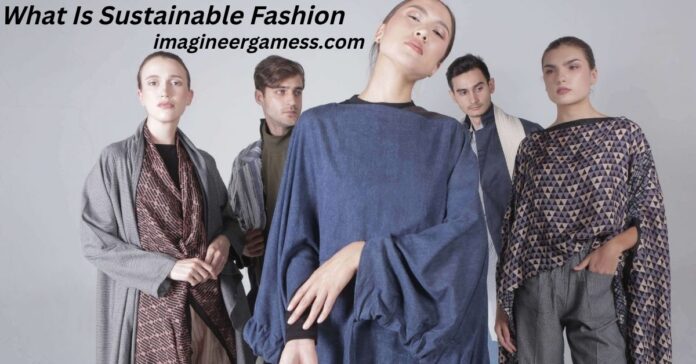


Fashion is a major part of everyday life. The clothes we wear help express our personality, lifestyle, and values. However, many people are now asking an important question: what is sustainable fashion?
- What Is Sustainable Fashion?
- The History of Sustainable Fashion
- Why Sustainable Fashion Matters
- Sustainable Fashion vs Fast Fashion
- Key Principles of Sustainable Fashion
- Sustainable Materials Used in Fashion
- How Sustainable Fashion Helps the Environment
- Lower Carbon Emissions
- Reduced Water Consumption
- Less Pollution
- Lower Textile Waste
- Protection of Biodiversity
- How Consumers Can Support Sustainable Fashion
- Buy Less and Choose Better
- Choose Quality Over Quantity
- Shop Secondhand
- Repair Your Clothes
- Wash Clothes Responsibly
- Support Ethical Brands
- Common Myths About Sustainable Fashion
- Myth 1: Sustainable Fashion Is Too Expensive
- Myth 2: Sustainable Clothing Is Not Stylish
- Myth 3: One Person Cannot Make a Difference
- Myth 4: Sustainable Fashion Means Never Buying New Clothes
- Challenges Facing Sustainable Fashion
- Higher Production Costs
- Consumer Awareness
- Greenwashing
- Supply Chain Complexity
- Scaling Sustainable Practices
- Future Trends in Sustainable Fashion
- How to Build a Sustainable Wardrobe
- Step 1: Evaluate Your Current Clothing
- Step 2: Create a Capsule Wardrobe
- Step 3: Prioritize Durable Fabrics
- Step 4: Shop Mindfully
- Step 5: Extend Garment Life
- The Economic Impact of Sustainable Fashion
- What Is Sustainable Fashion and Why It Matters More Than Ever
- Conclusion
- Frequently Asked Questions About Sustainable Fashion
- Is sustainable fashion only for environmentally conscious consumers?
- Can luxury brands be sustainable?
- How can I identify genuinely sustainable clothing brands?
- Does sustainable fashion reduce carbon emissions?
- What role does technology play in sustainable fashion?
- Is renting clothes considered sustainable fashion?
- Can sustainable fashion help reduce landfill waste?
- What is the difference between ethical fashion and sustainable fashion?
- Are synthetic fabrics always unsustainable?
- Will sustainable fashion become the industry standard in the future?
The fashion industry is one of the largest industries in the world, but it also creates significant environmental and social challenges. From water pollution and textile waste to unfair labor practices, traditional fashion production has a huge impact on people and the planet.
This is why sustainable fashion has become more important than ever. Consumers are becoming more aware of how their clothing is made and are choosing brands that care about environmental protection, ethical labor practices, and long-term sustainability.
In this comprehensive guide, you will learn what is sustainable fashion, why it matters, how it works, its benefits and challenges, and how you can build a more sustainable wardrobe.
What Is Sustainable Fashion?
Sustainable fashion refers to clothing, shoes, and accessories that are designed, produced, distributed, and used in ways that minimize environmental damage and promote social responsibility.
In simple terms, sustainable fashion aims to create clothing that is better for the environment, workers, communities, and consumers.
When people ask, “what is sustainable fashion,” they are talking about fashion that considers the entire life cycle of a product. This includes:
- Raw material sourcing
- Manufacturing processes
- Worker treatment
- Transportation
- Consumer use
- Recycling and disposal
The goal is to reduce waste, conserve natural resources, lower pollution, and ensure fair working conditions throughout the supply chain.
Sustainable fashion is not just about using eco-friendly fabrics. It is also about creating a system where clothing can be produced and consumed responsibly for future generations.
The History of Sustainable Fashion
The concept of sustainable fashion began gaining attention in the late twentieth century as environmental concerns increased worldwide.
For many years, fashion companies focused primarily on producing large amounts of clothing quickly and cheaply. This business model became known as fast fashion.
Fast fashion allows consumers to buy trendy clothes at very low prices. While convenient, this approach often leads to:
- Overproduction
- Excessive waste
- Environmental pollution
- Poor working conditions
- Increased carbon emissions
As awareness of these problems grew, environmental organizations, activists, designers, and consumers began promoting more responsible alternatives.
Today, sustainable fashion has evolved into a global movement supported by major brands, governments, environmental groups, and millions of consumers.
Why Sustainable Fashion Matters
Understanding what is sustainable fashion becomes easier when we examine why it is necessary.
Reducing Environmental Damage
The fashion industry consumes enormous amounts of natural resources every year.
Traditional clothing production requires:
- Large quantities of water
- Chemical dyes
- Fossil fuels
- Agricultural land
These processes can lead to pollution, habitat destruction, and greenhouse gas emissions.
Sustainable fashion seeks to reduce these impacts through cleaner production methods and responsible resource management.
Protecting Workers
Millions of workers around the world manufacture clothing. Unfortunately, some workers face unsafe conditions, low wages, and excessive working hours.
Sustainable fashion promotes:
- Fair wages
- Safe workplaces
- Respect for workers’ rights
- Ethical labor standards
This helps create a more equitable global fashion industry.
Reducing Waste
Many garments are worn only a few times before being discarded.
Every year, millions of tons of textile waste end up in landfills.
Sustainable fashion encourages:
- Durable clothing
- Repair and reuse
- Recycling programs
- Circular production systems
These efforts reduce unnecessary waste and extend the life of garments.
Supporting Long-Term Sustainability
The Earth’s resources are limited. Sustainable fashion helps ensure future generations can enjoy healthy ecosystems and thriving communities.
By making better choices today, consumers can contribute to a more sustainable future.
Sustainable Fashion vs Fast Fashion
One of the best ways to understand what is sustainable fashion is to compare it with fast fashion.
Fast Fashion
Fast fashion focuses on:
- Low prices
- Rapid production
- Frequent trend changes
- High consumption
- Short garment lifespan
Consumers often buy more clothing than they need because prices are low and trends change quickly.
Sustainable Fashion
Sustainable fashion focuses on:
- Quality over quantity
- Ethical manufacturing
- Environmental protection
- Timeless design
- Long-lasting products
Instead of encouraging constant purchasing, sustainable fashion promotes thoughtful consumption and responsible production.
Key Principles of Sustainable Fashion
Several important principles guide sustainable fashion practices.
Ethical Production
Ethical production ensures workers receive fair treatment throughout the supply chain.
This includes:
- Fair wages
- Safe working environments
- Reasonable working hours
- No child labor
- Respect for human rights
Environmentally Friendly Materials
Many sustainable brands use materials with lower environmental impacts.
Examples include:
- Organic cotton
- Hemp
- Linen
- Recycled polyester
- Recycled cotton
- Tencel
- Bamboo from responsible sources
These materials often require fewer resources and produce less pollution.
Waste Reduction
Sustainable fashion seeks to minimize waste during production and consumption.
Strategies include:
- Recycling textiles
- Upcycling materials
- Zero-waste design
- Made-to-order production
- Repair services
Circular Fashion
Circular fashion is an important part of sustainable fashion.
Instead of following a “make, use, throw away” model, circular systems keep materials in use for as long as possible.
Examples include:
- Clothing rental
- Resale platforms
- Recycling programs
- Garment repair services
Transparency
Consumers increasingly want to know how their clothing is made.
Sustainable brands often provide information about:
- Factories
- Materials
- Environmental practices
- Labor standards
Transparency helps build trust and accountability.
Sustainable Materials Used in Fashion
Materials play a major role in sustainable fashion.
Organic Cotton
Organic cotton is grown without many synthetic pesticides and harmful chemicals.
Benefits include:
- Reduced chemical use
- Improved soil health
- Lower environmental impact
Hemp
Hemp is one of the most sustainable natural fibers available.
Advantages include:
- Fast growth
- Low water requirements
- Minimal pesticide use
- Durable fabric
Linen
Linen comes from the flax plant and has a relatively low environmental footprint.
Benefits include:
- Biodegradability
- Durability
- Lower water consumption
Recycled Polyester
Recycled polyester is often made from recycled plastic bottles and textile waste.
Benefits include:
- Reduced landfill waste
- Lower resource consumption
- Extended material lifespan
Tencel and Lyocell
These fibers are produced from sustainably sourced wood pulp using efficient manufacturing methods.
Advantages include:
- Soft texture
- Breathability
- Lower environmental impact
How Sustainable Fashion Helps the Environment
Many people researching what is sustainable fashion are interested in its environmental benefits.
Lower Carbon Emissions
Sustainable brands often use renewable energy and efficient production methods that reduce greenhouse gas emissions.
Reduced Water Consumption
Eco-friendly materials and advanced manufacturing techniques can significantly lower water use.
Less Pollution
Sustainable production reduces harmful chemical discharge into rivers and ecosystems.
Lower Textile Waste
Long-lasting garments reduce the number of clothes entering landfills.
Protection of Biodiversity
Responsible farming and sourcing practices help protect ecosystems and wildlife habitats.
How Consumers Can Support Sustainable Fashion
You do not need to completely replace your wardrobe to support sustainable fashion.
Small changes can make a big difference.
Buy Less and Choose Better
Before purchasing new clothing, ask yourself:
- Do I really need this item?
- Will I wear it often?
- Is it well made?
Buying fewer, higher-quality pieces can reduce waste.
Choose Quality Over Quantity
Well-made garments typically last longer and provide better value over time.
Shop Secondhand
Secondhand shopping extends the life of existing clothing.
Popular options include:
- Thrift stores
- Consignment shops
- Online resale marketplaces
Repair Your Clothes
Simple repairs can add years to a garment’s lifespan.
Consider:
- Replacing buttons
- Fixing seams
- Mending tears
Wash Clothes Responsibly
Proper care helps clothing last longer.
Tips include:
- Washing in cold water
- Air drying when possible
- Avoiding excessive washing
Support Ethical Brands
Research brands before purchasing.
Look for evidence of:
- Ethical labor practices
- Sustainable materials
- Environmental commitments
Common Myths About Sustainable Fashion
There are several misconceptions surrounding sustainable fashion.
Myth 1: Sustainable Fashion Is Too Expensive
While some sustainable products cost more upfront, they often last much longer than cheaper alternatives.
The cost per wear can actually be lower over time.
Myth 2: Sustainable Clothing Is Not Stylish
Modern sustainable fashion includes a wide variety of styles, colors, and trends.
Many sustainable brands compete directly with traditional fashion companies in terms of design and quality.
Myth 3: One Person Cannot Make a Difference
Every purchasing decision sends a message to the market.
When millions of consumers make sustainable choices, industries respond.
Myth 4: Sustainable Fashion Means Never Buying New Clothes
Sustainable fashion encourages mindful purchasing, not complete avoidance of new clothing.
The focus is on buying responsibly and reducing unnecessary consumption.
Challenges Facing Sustainable Fashion
Although sustainable fashion has made significant progress, challenges remain.
Higher Production Costs
Ethical labor practices and environmentally friendly materials often increase production expenses.
Consumer Awareness
Many shoppers still do not fully understand what is sustainable fashion and why it matters.
Education remains essential.
Greenwashing
Some companies make misleading environmental claims without meaningful action.
Consumers should carefully evaluate sustainability claims.
Supply Chain Complexity
Fashion supply chains can involve multiple countries and suppliers, making transparency difficult.
Scaling Sustainable Practices
As demand grows, brands must balance growth with genuine sustainability commitments.
Future Trends in Sustainable Fashion
The future of sustainable fashion looks promising.
Several innovations are transforming the industry.
Recycled Textiles
Advanced recycling technologies are helping turn old clothing into new garments.
Bio-Based Materials
Researchers are developing fabrics from:
- Mushrooms
- Agricultural waste
- Algae
- Plant fibers
Digital Fashion
Virtual clothing and digital fashion experiences may reduce some forms of physical production.
Artificial Intelligence
AI is helping brands:
- Predict demand
- Reduce waste
- Improve inventory management
Circular Business Models
Rental, resale, and repair services continue growing in popularity.
These models help keep clothing in use longer.
How to Build a Sustainable Wardrobe
Creating a sustainable wardrobe does not need to happen overnight.
Step 1: Evaluate Your Current Clothing
Review what you already own.
Identify:
- Frequently worn items
- Unused clothing
- Repair opportunities
Step 2: Create a Capsule Wardrobe
Focus on versatile pieces that can be mixed and matched.
Step 3: Prioritize Durable Fabrics
Choose materials known for longevity and quality.
Step 4: Shop Mindfully
Avoid impulse purchases and focus on long-term value.
Step 5: Extend Garment Life
Proper storage, washing, and repairs help clothing last longer.
Also Read: When Is Paris Fashion Week 2025? Full Schedule, Dates, Events, and Travel Guide
The Economic Impact of Sustainable Fashion
Sustainable fashion can also benefit economies.
It supports:
- Ethical employment
- Local manufacturing
- Innovation
- Responsible business growth
As consumer demand increases, more companies invest in sustainable technologies and ethical production methods.
This creates new opportunities throughout the fashion industry.
What Is Sustainable Fashion and Why It Matters More Than Ever
The answer to “what is sustainable fashion” goes far beyond eco-friendly clothing.
It represents a shift toward responsible production, ethical treatment of workers, environmental protection, and mindful consumption.
As climate concerns, resource shortages, and consumer awareness continue growing, sustainable fashion will play an increasingly important role in shaping the future of the apparel industry.
Consumers have more power than ever before. Every purchase supports a particular type of business practice. By choosing sustainable options, individuals help create a fashion industry that values people, the planet, and long-term prosperity.
Conclusion
So, what is sustainable fashion?
Sustainable fashion is an approach to designing, producing, and consuming clothing that minimizes environmental harm while supporting ethical labor practices and responsible resource use.
It encourages quality over quantity, reduces waste, protects natural resources, and promotes fairness throughout the fashion supply chain.
While challenges remain, sustainable fashion offers one of the most effective ways for consumers and businesses to reduce the negative impacts of the clothing industry.
Whether you choose to buy fewer clothes, support ethical brands, shop secondhand, or simply take better care of your garments, every step contributes to a more sustainable future.
The future of fashion is not just about looking good. It is about making choices that benefit people, communities, and the planet for generations to come.
Frequently Asked Questions About Sustainable Fashion
Is sustainable fashion only for environmentally conscious consumers?
No. Sustainable fashion benefits everyone by promoting better product quality, ethical labor practices, and long-term value.
Can luxury brands be sustainable?
Yes. Many luxury brands are investing in responsible sourcing, recycled materials, and transparent supply chains. However, consumers should still evaluate each brand’s sustainability claims.
How can I identify genuinely sustainable clothing brands?
Look for transparency regarding materials, labor practices, environmental goals, certifications, and supply chain information.
Does sustainable fashion reduce carbon emissions?
Yes. Sustainable production methods often use fewer resources and generate lower greenhouse gas emissions than conventional fashion production.
What role does technology play in sustainable fashion?
Technology helps improve recycling, material innovation, inventory management, supply chain transparency, and waste reduction.
Is renting clothes considered sustainable fashion?
Yes. Clothing rental services can extend garment usage and reduce demand for new production, making them part of the sustainable fashion movement.
Can sustainable fashion help reduce landfill waste?
Absolutely. Durable clothing, repair programs, resale markets, and recycling initiatives all help reduce textile waste going to landfills.
What is the difference between ethical fashion and sustainable fashion?
Ethical fashion focuses mainly on human rights and worker welfare, while sustainable fashion covers both social and environmental impacts across the entire product lifecycle.
Are synthetic fabrics always unsustainable?
Not necessarily. Recycled synthetic materials can reduce waste and resource use, although natural and responsibly sourced materials are often preferred when appropriate.
Will sustainable fashion become the industry standard in the future?
Many experts believe sustainability will become increasingly important as consumers, governments, and businesses prioritize environmental responsibility and ethical production.