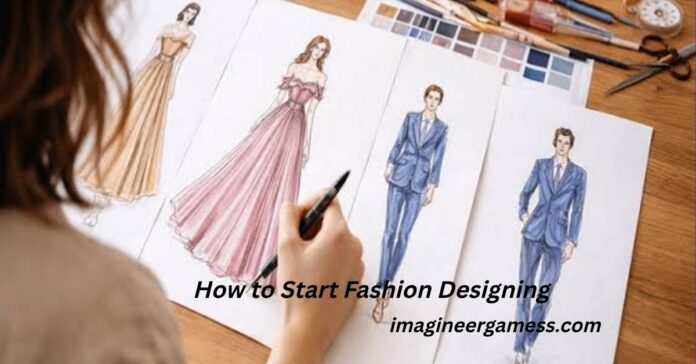

Fashion is more than clothing. It is a form of creativity, self-expression, culture, and business. Every outfit tells a story, and behind every great collection is a designer who started with a simple idea and a passion for fashion.
- What Is Fashion Designing?
- Why Fashion Designing Is a Great Career Choice
- How to Start Fashion Designing: Step-by-Step Guide
- Discover Your Passion and Personal Style
- Learn Fashion Design Fundamentals
- Improve Your Drawing and Sketching Skills
- Learn Sewing and Garment Construction
- Study Fabrics and Textiles
- How To Start Fashion Designing At Home
- Create a Dedicated Workspace
- Use Online Learning Resources
- Start Small Projects
- Build Daily Design Habits
- Do You Need a Fashion Design Degree?
- Essential Skills Every Fashion Designer Needs
- Learn Fashion Design Software
- Build a Fashion Design Portfolio
- Understand Fashion Trends Without Copying
- Create Your First Fashion Collection
- How to Get Started as a Fashion Designer Professionally
- Start Your Own Fashion Brand
- Understanding Sustainable Fashion
- Common Mistakes Beginners Make
- Focusing Only on Drawing
- Ignoring Business Skills
- Following Every Trend
- Avoiding Feedback
- Expecting Instant Success
- How Long Does It Take to Become a Fashion Designer?
- Fashion Design Career Opportunities
- Future Trends Shaping Fashion Design
- Artificial Intelligence
- 3D Design Technology
- Sustainable Manufacturing
- Direct-to-Consumer Brands
- Digital Fashion
- Expert Tips for Long-Term Success
- Final Thoughts on How to Start Fashion Designing
- Frequently Asked Questions About How to Start Fashion Designing
- Can I start fashion designing without knowing how to sew?
- What age is best to start fashion designing?
- How much money do I need to start fashion designing?
- Can fashion designers work remotely?
- Is fashion designing a good career in the future?
- Can I become a fashion designer through online learning only?
- How important is social media for fashion designers?
- Should beginners focus on one type of clothing first?
- Can fashion designers sell digital clothing?
- What personality traits help fashion designers succeed?
If you have ever wondered how to start fashion designing, you are not alone. Thousands of people dream of becoming fashion designers, creating unique clothing collections, launching their own brands, or working for leading fashion companies. The good news is that you do not need to come from a fashion family or attend an expensive school to begin. With the right skills, mindset, and strategy, anyone can start a journey in fashion design.
This comprehensive guide explains how to start fashion designing from scratch, including essential skills, education options, portfolio development, home-based learning, business strategies, and career opportunities.
What Is Fashion Designing?
Fashion designing is the process of creating clothing, footwear, accessories, and fashion collections. Designers combine creativity, technical skills, market research, and business knowledge to develop products that people want to wear.
Fashion design involves:
- Sketching clothing ideas
- Selecting fabrics and materials
- Creating patterns
- Sewing and garment construction
- Understanding fashion trends
- Developing collections
- Branding and marketing
Modern fashion designers must balance creativity with practicality because successful designs must look appealing while meeting consumer needs.
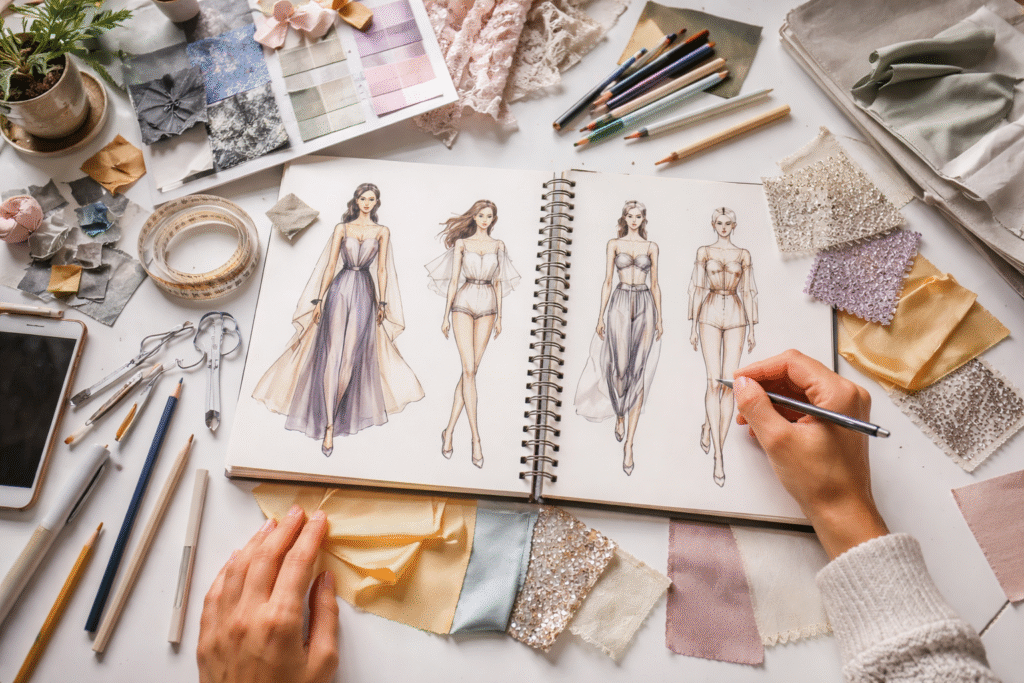
Why Fashion Designing Is a Great Career Choice
The fashion industry continues to evolve with new technologies, sustainability trends, and digital platforms. This creates opportunities for aspiring designers.
Benefits of becoming a fashion designer include:
- Creative freedom
- Flexible career paths
- Potential for entrepreneurship
- Global opportunities
- Personal brand building
- Ability to influence trends
- Opportunities in luxury and mass markets
Fashion designers can work independently, join established brands, create custom clothing, or launch online fashion businesses.
How to Start Fashion Designing: Step-by-Step Guide
If your goal is learning how to start fashion designing successfully, following a structured approach will save time and help you build strong foundations.
Discover Your Passion and Personal Style
The first step in how to start fashion designing is understanding what type of fashion excites you.
Also Read: How to Be a Fashion Designer: The Complete Step-by-Step Guide for Beginners
Ask yourself:
- Do you love streetwear?
- Are you interested in luxury fashion?
- Do you enjoy sustainable clothing?
- Are you passionate about sportswear?
- Do you prefer women’s fashion, men’s fashion, or children’s wear?
Study your favorite brands and identify what attracts you to their designs.
Create inspiration boards using:
- Fashion magazines
- Fashion websites
- Runway shows
Over time, you will begin to develop a unique design identity.
Learn Fashion Design Fundamentals
Many beginners focus only on drawing clothes. However, fashion design requires understanding several technical concepts.
Learn:
- Color theory
- Fabric types
- Fashion illustration
- Garment construction
- Pattern making
- Sewing techniques
- Fashion history
- Textile science
A strong foundation helps transform creative ideas into wearable products.
Improve Your Drawing and Sketching Skills
Fashion sketches help communicate ideas before production begins.
Practice:
- Human body proportions
- Fashion figures
- Clothing details
- Accessories
- Different poses
- Fabric movement
Remember that perfection is not necessary. Clear communication matters more than artistic perfection.
Many successful designers use digital tools alongside traditional sketching methods.
Learn Sewing and Garment Construction
One of the most important steps in how to start fashion design is learning how garments are actually made.
Basic sewing skills allow you to:
- Understand construction techniques
- Create prototypes
- Test designs
- Communicate with manufacturers
Start by learning:
- Hand sewing
- Machine sewing
- Basic alterations
- Seam finishes
- Zippers and buttons
- Pattern assembly
Designers who understand garment construction often create more practical and successful collections.
Study Fabrics and Textiles
Fabric choice can completely change the appearance of a design.
Learn about:
- Cotton
- Linen
- Silk
- Wool
- Polyester
- Denim
- Jersey knit
- Sustainable fabrics
Understand how fabrics:
- Stretch
- Drape
- Shrink
- Hold shape
- Respond to washing
Great fashion designers understand both design and materials.
How To Start Fashion Designing At Home
Many successful designers begin from home with limited resources.
Create a Dedicated Workspace
You do not need a large studio.
A basic home design space should include:
- Desk
- Sketchbooks
- Sewing machine
- Measuring tools
- Fabric samples
- Storage shelves
- Good lighting
An organized workspace increases productivity and creativity.
Use Online Learning Resources
Today, aspiring designers can learn from home through:
- Online courses
- YouTube tutorials
- Fashion blogs
- Digital design platforms
- Industry webinars
Self-learning has become one of the most affordable ways to enter fashion design.
Start Small Projects
Instead of attempting a full collection immediately, create:
- T-shirts
- Skirts
- Dresses
- Tote bags
- Jackets
Small projects help build confidence and practical skills.
Build Daily Design Habits
Consistency matters more than talent alone.
Spend time each day:
- Sketching
- Researching trends
- Practicing sewing
- Learning software
- Studying fabrics
Even one hour daily can create significant progress over time.
Do You Need a Fashion Design Degree?
Many beginners wonder whether formal education is necessary.
The answer is no—but education can help.
Fashion designers can learn through:
- Fashion schools
- Community colleges
- Online courses
- Apprenticeships
- Self-study
What matters most is skill, creativity, and portfolio quality.
A degree may provide:
- Industry connections
- Structured learning
- Internship opportunities
- Technical training
However, many modern designers have built successful careers through self-education.
Essential Skills Every Fashion Designer Needs
Creativity
Fashion begins with ideas. Creative thinking helps designers develop original concepts and collections.
Communication
Designers must communicate effectively with:
- Clients
- Manufacturers
- Pattern makers
- Marketing teams
Attention to Detail
Small details often separate average designs from exceptional ones.
Business Knowledge
Fashion is both art and business.
Understanding:
- Pricing
- Branding
- Marketing
- Sales
can significantly increase success.
Trend Analysis
Designers should understand trends without blindly following them.
Successful designers interpret trends through their own creative perspective.
ALso Read: How Much Do Fashion Designers Make? A Complete Salary Guide for 2026
Learn Fashion Design Software
Technology plays a major role in modern fashion.
Popular tools include:
- Adobe Illustrator
- Adobe Photoshop
- CLO 3D
- Browzwear
- Procreate
These programs help create:
- Technical sketches
- Digital illustrations
- Virtual garments
- Production specifications
Learning software can make you more competitive in today’s fashion industry.
Build a Fashion Design Portfolio
A portfolio showcases your abilities to employers, clients, and investors.
Include:
- Fashion sketches
- Mood boards
- Fabric selections
- Technical drawings
- Completed garments
- Collection concepts
Quality matters more than quantity.
A strong portfolio demonstrates:
- Creativity
- Technical skills
- Problem-solving
- Personal style
Update your portfolio regularly as your skills improve.
Understand Fashion Trends Without Copying
Many beginners mistakenly copy trends directly.
Professional designers use trends as inspiration while maintaining originality.
Study:
- Consumer behavior
- Runway shows
- Social media
- Cultural movements
- Economic changes
Then create designs that reflect your unique vision.
The most successful designers lead trends rather than follow them.
Create Your First Fashion Collection
A collection is a group of designs connected by a common theme.
Choose:
- A target audience
- A color palette
- A design concept
- Fabric selections
For beginners, a collection of five to ten pieces is often sufficient.
Focus on consistency and storytelling.
Every piece should support the overall theme.
How to Get Started as a Fashion Designer Professionally
When learning how to get started as a fashion designer, gaining real-world experience is essential.
Apply for Internships
Internships provide valuable experience.
Benefits include:
- Industry exposure
- Professional networking
- Technical learning
- Portfolio development
Even unpaid internships can provide long-term career advantages.
Work With Local Designers
Collaborating with local professionals helps you understand:
- Production processes
- Client relationships
- Fashion business operations
Hands-on experience often accelerates learning.
Participate in Fashion Events
Attend:
- Fashion shows
- Trade fairs
- Design competitions
- Networking events
Industry connections can open doors to future opportunities.
Start Your Own Fashion Brand
Many designers dream of launching their own label.
Before starting a brand:
Define Your Niche
Examples include:
- Sustainable fashion
- Streetwear
- Luxury apparel
- Plus-size fashion
- Activewear
- Children’s clothing
A clear niche makes marketing easier.
Develop a Brand Identity
Create:
- Brand name
- Logo
- Mission statement
- Brand story
Strong branding helps customers remember your business.
Produce Small Quantities
Avoid large inventory investments initially.
Start with limited production runs and test market demand.
Sell Online
Popular sales channels include:
- Personal websites
- Online marketplaces
- Social media shops
Digital commerce has made fashion entrepreneurship more accessible than ever.
Understanding Sustainable Fashion
Sustainability has become increasingly important.
Modern consumers often prefer brands that prioritize:
- Ethical production
- Eco-friendly materials
- Reduced waste
- Fair labor practices
Learning sustainable design principles can create a competitive advantage.
Future fashion growth is expected to focus heavily on environmental responsibility.
Common Mistakes Beginners Make
Focusing Only on Drawing
Fashion design involves much more than sketching.
Technical knowledge is equally important.
Ignoring Business Skills
Many talented designers struggle because they overlook marketing and sales.
Following Every Trend
Constantly chasing trends can prevent development of a unique style.
Avoiding Feedback
Constructive criticism helps designers improve.
Expecting Instant Success
Fashion careers require patience and consistent effort.
Long-term commitment usually produces better results than quick shortcuts.
How Long Does It Take to Become a Fashion Designer?
The timeline varies.
Basic skills may take:
- 6 to 12 months of dedicated learning
Professional-level skills often require:
- 2 to 5 years of practice and experience
Success depends on:
- Learning speed
- Practice frequency
- Industry exposure
- Portfolio development
Fashion design is a continuous learning process.
Even experienced designers continue improving throughout their careers.
Fashion Design Career Opportunities
Fashion designers can pursue many career paths.
Examples include:
- Apparel designer
- Textile designer
- Costume designer
- Fashion illustrator
- Pattern maker
- Technical designer
- Fashion consultant
- Fashion entrepreneur
- Fashion merchandiser
- Creative director
The industry offers opportunities for both creative and business-minded professionals.
Future Trends Shaping Fashion Design
The future of fashion is being influenced by:
Artificial Intelligence
AI tools assist with:
- Trend forecasting
- Design inspiration
- Consumer analysis
3D Design Technology
Virtual prototyping reduces waste and development costs.
Sustainable Manufacturing
Consumers increasingly demand responsible production.
Direct-to-Consumer Brands
Online sales allow designers to reach customers without traditional retailers.
Digital Fashion
Virtual clothing and digital collectibles are creating entirely new markets.
Designers who adapt to these innovations may gain significant advantages.
Expert Tips for Long-Term Success
Successful fashion designers often share similar habits.
They:
- Practice consistently
- Stay curious
- Study competitors
- Network actively
- Learn business skills
- Embrace technology
- Listen to customer feedback
The combination of creativity and discipline often determines long-term success.
Fashion is a competitive field, but opportunities continue expanding for skilled and adaptable designers.
Final Thoughts on How to Start Fashion Designing
Learning how to start fashion designing is an exciting journey that combines creativity, technical knowledge, and business strategy. While the fashion industry can be competitive, today’s digital tools and educational resources have made it easier than ever for beginners to enter the field.
The most important lesson is that success does not happen overnight. Every respected designer started as a beginner who practiced regularly, learned from mistakes, and continued improving their craft.
Whether you want to design clothing from home, work for a major fashion company, or launch your own brand, the path begins with learning fundamental skills, developing a strong portfolio, understanding the market, and staying committed to growth.
If you consistently apply the strategies in this guide, build real-world experience, and develop your own creative voice, you can transform your passion into a rewarding fashion design career.
Frequently Asked Questions About How to Start Fashion Designing
Can I start fashion designing without knowing how to sew?
Yes. You can begin learning design concepts first, but understanding sewing eventually becomes important because it helps you create practical and wearable designs.
What age is best to start fashion designing?
There is no perfect age. Many people start in their teenage years, while others begin in their 30s, 40s, or later and still build successful careers.
How much money do I need to start fashion designing?
You can start with a relatively small budget by purchasing basic sketching supplies, a sewing machine, and fabric samples. Many beginners start for a few hundred dollars rather than thousands.
Can fashion designers work remotely?
Yes. Many designers now work remotely using digital design software, virtual collaboration tools, and online marketplaces.
Is fashion designing a good career in the future?
Yes. Demand continues for creative professionals who understand design, technology, sustainability, and digital commerce.
Can I become a fashion designer through online learning only?
Yes. Many successful designers have developed skills through online courses, tutorials, self-study, and practical experience without attending traditional fashion schools.
How important is social media for fashion designers?
Social media has become a valuable tool for showcasing work, building an audience, finding clients, and growing a fashion brand.
Should beginners focus on one type of clothing first?
Yes. Specializing initially helps build expertise faster. Once skills improve, designers can expand into additional categories.
Can fashion designers sell digital clothing?
Yes. Digital fashion is a growing industry where designers create virtual garments for gaming, social media, and digital experiences.
What personality traits help fashion designers succeed?
Curiosity, creativity, discipline, adaptability, patience, and strong problem-solving abilities are among the most valuable traits for long-term success in fashion design.