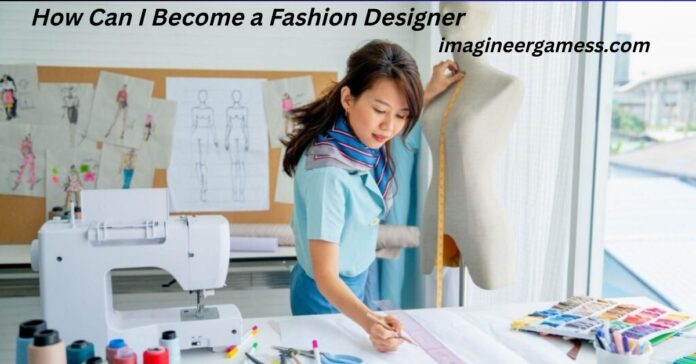

Fashion design is one of the most exciting and creative careers in the world. It combines art, business, innovation, and personal expression into a profession that can influence trends, culture, and lifestyles. If you have ever looked at a clothing collection, runway show, or clothing brand and wondered, “how can I become a fashion designer?”, you are not alone.
- What Does a Fashion Designer Do?
- Why Fashion Design Is Still a Great Career Choice
- How Can I Become a Fashion Designer? Step-by-Step Roadmap
- Step 1: Develop a Passion for Fashion
- Step 2: Learn the Basics of Fashion Design
- Step 3: Practice Drawing and Sketching
- Step 4: Learn How Clothing Is Made
- Step 5: Get Formal Education if Possible
- Step 6: Master Fashion Design Software
- Step 7: Build a Strong Fashion Portfolio
- Step 8: Gain Real-World Experience
- Step 9: Build Your Personal Brand
- Step 10: Learn Fashion Business Skills
- Essential Skills Every Fashion Designer Needs
- How Long Does It Take to Become a Fashion Designer?
- How Can I Become a Successful Fashion Designer?
- Focus on a Unique Style
- Understand Your Target Market
- Stay Updated on Trends
- Build Professional Relationships
- Never Stop Learning
- How Can I Become a Famous Fashion Designer?
- Create Signature Designs
- Leverage Social Media
- Participate in Fashion Shows
- Collaborate with Influencers
- Tell a Compelling Story
- Focus on Excellence
- Common Challenges New Fashion Designers Face
- Fashion Design Career Options
- Can You Become a Fashion Designer Without College?
- The Role of Technology in Modern Fashion Design
- How Much Do Fashion Designers Earn?
- Future Trends Every Aspiring Fashion Designer Should Know
- Mistakes to Avoid When Becoming a Fashion Designer
- Final Thoughts
- Frequently Asked Questions (FAQs)
- Can I start learning fashion design at any age?
- Do fashion designers need to know sewing?
- Can I become a fashion designer from home?
- Is fashion design a good career for creative people?
- What subjects are useful in high school for future fashion designers?
- Can fashion designers work remotely?
- How important is social media for fashion designers today?
- What is the biggest factor behind long-term success in fashion design?
Many aspiring designers dream of creating beautiful clothing, launching their own fashion label, or seeing celebrities wear their designs. However, becoming a fashion designer requires much more than creativity. It involves learning technical skills, understanding fashion markets, building a portfolio, networking with industry professionals, and continuously adapting to changing trends.
This comprehensive guide will answer the question “how can I become a fashion designer” in detail. It will also explain how can I become a famous fashion designer and how can I become a successful fashion designer by providing practical steps, expert insights, and real-world advice.
What Does a Fashion Designer Do?
Before starting your journey, it is important to understand what fashion designers actually do.
Fashion designers create clothing, accessories, footwear, and fashion collections. Their responsibilities often include:
- Researching fashion trends
- Sketching design ideas
- Choosing fabrics and materials
- Creating prototypes and samples
- Working with manufacturers
- Developing seasonal collections
- Managing branding and marketing
- Presenting designs to buyers and customers
Modern fashion designers must balance creativity with business knowledge. The most successful designers understand both design and consumer demand.

Why Fashion Design Is Still a Great Career Choice
The fashion industry continues to evolve through technology, sustainability, social media, and global e-commerce. While competition is strong, there are more opportunities than ever before.
Benefits of becoming a fashion designer include:
- Creative freedom
- Opportunity to build a personal brand
- Potential for high earnings
- Global career opportunities
- Ability to influence trends
- Entrepreneurial possibilities
- Flexible work environments
Many successful designers started with limited resources but grew through dedication, innovation, and persistence.
How Can I Become a Fashion Designer? Step-by-Step Roadmap
If you are asking yourself, “how can I become a fashion designer,” follow these proven steps.
Step 1: Develop a Passion for Fashion
Every successful fashion designer starts with genuine interest and curiosity.
Spend time:
- Studying fashion magazines
- Following runway shows
- Exploring fashion history
- Observing street fashion
- Analyzing designer collections
Understanding different styles helps build your design perspective.
Fashion is more than clothing. It reflects culture, identity, economics, and social movements. The more you learn, the stronger your foundation becomes.
ALso Read: What Time Does Cato Fashion Open? Complete Store Hours Guide for Shoppers in 2026
Step 2: Learn the Basics of Fashion Design
Before creating professional designs, learn essential concepts such as:
- Color theory
- Fabric types
- Pattern making
- Garment construction
- Fashion illustration
- Textile design
- Sewing techniques
These skills allow designers to transform ideas into wearable products.
Many beginners underestimate the importance of technical knowledge. Great ideas alone are not enough. You must understand how garments are actually made.
Step 3: Practice Drawing and Sketching
Fashion sketches help communicate design concepts.
You do not need to be a perfect artist. However, you should be able to:
- Draw fashion figures
- Illustrate garments
- Show fabric movement
- Present design details
Practice daily. Over time, your sketches will become more professional and easier for manufacturers and clients to understand.
Digital sketching tools are also becoming increasingly important in modern fashion design.
Step 4: Learn How Clothing Is Made
Many aspiring designers focus only on appearance and ignore construction.
Understanding garment production helps you create realistic designs.
Learn:
- Sewing techniques
- Pattern drafting
- Fabric cutting
- Draping
- Finishing methods
- Quality control
Designers who understand production can communicate effectively with manufacturers and avoid costly mistakes.
Step 5: Get Formal Education if Possible
Although a degree is not mandatory, fashion education can provide valuable advantages.
Popular fashion-related degrees include:
- Fashion Design
- Fashion Merchandising
- Textile Design
- Apparel Design
- Fashion Business
- Fashion Marketing
Fashion schools teach industry-standard techniques and often provide networking opportunities.
Some well-known fashion schools have produced many successful designers, but your talent and work ethic ultimately matter more than the school name.
Step 6: Master Fashion Design Software
Technology is transforming the fashion industry.
Modern designers often use:
- Adobe Illustrator
- Adobe Photoshop
- CLO 3D
- Browzwear
- Procreate
- CAD software
Learning digital design tools increases efficiency and improves employment opportunities.
Companies increasingly expect designers to work digitally throughout the design process.
Also Read: Xlecz: The Complete Guide to the AI-Powered Platform Transforming Modern Work
Step 7: Build a Strong Fashion Portfolio
Your portfolio is one of the most important tools in your career.
A professional portfolio should include:
- Original sketches
- Technical drawings
- Mood boards
- Fabric selections
- Completed garments
- Collection concepts
- Design process examples
Quality matters more than quantity.
Employers and clients want to see creativity, technical ability, and problem-solving skills.
Step 8: Gain Real-World Experience
Experience helps bridge the gap between education and professional work.
Look for opportunities such as:
- Internships
- Assistant designer positions
- Fashion show volunteering
- Boutique work
- Freelance projects
Working in the industry helps you understand deadlines, teamwork, and customer expectations.
Many famous designers started as interns before launching their own brands.
Step 9: Build Your Personal Brand
In today’s digital world, personal branding is essential.
Create a professional presence through:
- A fashion website
- Social media profiles
- Design showcases
- Online portfolios
- Fashion blogs
Your online presence can attract clients, employers, investors, and collaborators.
Consistency is important. Your visual identity should reflect your design style and professional values.
Step 10: Learn Fashion Business Skills
Fashion is both an art and a business.
To become successful, understand:
- Marketing
- Pricing
- Branding
- Retail operations
- Inventory management
- E-commerce
- Customer behavior
Many talented designers fail because they focus only on creativity and ignore business fundamentals.
A strong business mindset can separate successful designers from struggling artists.
Essential Skills Every Fashion Designer Needs
If your goal is to become a successful fashion designer, focus on developing these key skills.
Creativity
Creativity allows designers to generate original ideas and unique concepts.
Communication
Designers regularly work with manufacturers, buyers, photographers, models, and clients.
Attention to Detail
Small design details often determine whether a garment looks professional.
Problem Solving
Unexpected production issues happen frequently.
Strong problem-solving skills help maintain quality and deadlines.
Trend Forecasting
Understanding future fashion trends gives designers a competitive advantage.
Time Management
Fashion collections often involve strict production schedules.
Meeting deadlines is critical.
How Long Does It Take to Become a Fashion Designer?
The timeline varies depending on your path.
Typical progression:
- Basic skill development: 6–12 months
- Fashion education: 2–4 years
- Entry-level experience: 1–3 years
- Professional advancement: 5–10 years
Some designers achieve success quickly, while others spend many years refining their craft.
Fashion careers are often marathons rather than sprints.
How Can I Become a Successful Fashion Designer?
Many people ask, “how can I become a successful fashion designer?”
Success requires more than talent.
Focus on a Unique Style
Develop a recognizable design identity.
Customers remember designers who stand out.
Understand Your Target Market
Know exactly who your customers are.
Also Read: Whroahdk: The Complete Guide to the Modern Digital Transformation Framework
Ask questions such as:
- What do they wear?
- What is their budget?
- What problems do they want solved?
Customer understanding leads to stronger sales.
Stay Updated on Trends
Fashion changes rapidly.
Follow:
- Runway collections
- Consumer behavior
- Industry reports
- Social media trends
However, avoid blindly copying trends.
Use trends as inspiration while maintaining originality.
Build Professional Relationships
Networking plays a major role in fashion success.
Connect with:
- Photographers
- Stylists
- Manufacturers
- Fashion editors
- Influencers
- Retail buyers
Relationships often create opportunities that talent alone cannot provide.
Never Stop Learning
Fashion evolves constantly.
Successful designers continuously improve their skills and adapt to industry changes.
How Can I Become a Famous Fashion Designer?
Many aspiring professionals also ask, “how can I become a famous fashion designer?”
Fame is not guaranteed, but certain strategies increase visibility.
Create Signature Designs
Famous designers are often known for a unique style or design element.
Develop something recognizable and memorable.
Leverage Social Media
Platforms such as Instagram, TikTok, and Pinterest allow designers to reach global audiences.
Consistent content helps build brand awareness.
Participate in Fashion Shows
Fashion events provide exposure and credibility.
Even local fashion shows can create valuable opportunities.
Collaborate with Influencers
Partnerships with influencers can introduce your designs to larger audiences.
Choose collaborators who align with your brand identity.
Tell a Compelling Story
People connect with stories.
Share:
- Your journey
- Your inspiration
- Your values
- Your creative process
Authentic storytelling builds stronger customer relationships.
Focus on Excellence
True recognition comes from consistently producing high-quality work.
Fame should be a result of excellence rather than the primary goal.
Common Challenges New Fashion Designers Face
Every career comes with obstacles.
Common challenges include:
Limited Budget
Start small and focus on quality rather than quantity.
Many successful brands began with a few designs.
High Competition
Differentiate yourself through originality and customer understanding.
Production Difficulties
Learning manufacturing processes reduces costly mistakes.
Marketing Struggles
Many designers underestimate marketing.
Invest time in learning how to promote your work effectively.
Creative Burnout
Balance creativity with rest and inspiration.
Long-term success requires sustainable habits.
Fashion Design Career Options
Fashion design offers many career paths.
Possible roles include:
- Fashion Designer
- Assistant Designer
- Textile Designer
- Costume Designer
- Fashion Illustrator
- Technical Designer
- Fashion Consultant
- Fashion Buyer
- Creative Director
- Brand Owner
Exploring different paths can help you discover where your strengths fit best.
Can You Become a Fashion Designer Without College?
Yes.
Many successful designers have built careers without formal degrees.
If you choose this path:
- Learn independently
- Build a strong portfolio
- Gain practical experience
- Network aggressively
- Study business fundamentals
Employers and clients often value skill and results more than educational credentials.
However, self-taught designers must be highly disciplined and committed to continuous learning.
The Role of Technology in Modern Fashion Design
Technology is reshaping the industry.
Key innovations include:
- Artificial intelligence
- Virtual fitting rooms
- 3D garment design
- Sustainable manufacturing
- Digital fashion collections
- Online retail platforms
Future designers who embrace technology may gain significant advantages.
Combining creativity with digital skills is becoming increasingly important.
How Much Do Fashion Designers Earn?
Income varies based on:
- Experience
- Location
- Employer
- Reputation
- Product category
Entry-level designers typically earn modest salaries.
Experienced designers, creative directors, and successful brand owners can earn significantly more.
The highest incomes often come from combining design expertise with strong business skills.
Future Trends Every Aspiring Fashion Designer Should Know
The fashion industry is evolving rapidly.
Major trends include:
- Sustainable fashion
- Ethical production
- Circular fashion systems
- Personalized shopping experiences
- AI-assisted design
- Digital fashion products
- Inclusive sizing
Designers who understand these trends may have greater long-term opportunities.
Mistakes to Avoid When Becoming a Fashion Designer
Avoid these common mistakes:
Also Read: How to Get Started as a Fashion Designer: The Complete Beginner’s Guide in 2026
- Ignoring technical skills
- Copying other designers
- Neglecting business education
- Underestimating marketing
- Refusing feedback
- Failing to build a portfolio
- Chasing trends without originality
Learning from these mistakes can accelerate career growth.
Final Thoughts
If you are wondering, “how can I become a fashion designer,” the answer is a combination of creativity, education, technical skill development, experience, networking, and persistence. Fashion design is not simply about drawing beautiful clothes. It is about solving problems, understanding customers, managing business challenges, and continuously adapting to an evolving industry.
For those asking, “how can I become a successful fashion designer,” success comes from developing both artistic talent and business intelligence. And for those dreaming, “how can I become a famous fashion designer,” visibility is built through originality, consistency, storytelling, networking, and delivering exceptional work over time.
The fashion industry rewards dedication. Whether your goal is working for a major brand, launching your own label, dressing celebrities, or creating sustainable fashion solutions, the journey begins with learning, practicing, and taking action every day.
Frequently Asked Questions (FAQs)
Can I start learning fashion design at any age?
Yes. Fashion design can be learned at almost any age. Many successful designers started their careers later in life after discovering their passion for fashion.
Do fashion designers need to know sewing?
While not mandatory, sewing knowledge is extremely valuable because it helps designers understand garment construction and communicate effectively with production teams.
Can I become a fashion designer from home?
Yes. Online courses, design software, digital portfolios, and e-commerce platforms make it possible to start a fashion design career from home.
Is fashion design a good career for creative people?
Absolutely. Fashion design is one of the best careers for individuals who enjoy creativity, innovation, visual storytelling, and problem-solving.
What subjects are useful in high school for future fashion designers?
Art, design, business, marketing, computer graphics, and textiles are particularly helpful for aspiring fashion designers.
Can fashion designers work remotely?
Some design tasks can be completed remotely, including sketching, digital design, trend research, and brand development. However, production and sample development often require in-person collaboration.
How important is social media for fashion designers today?
Social media is extremely important because it helps designers showcase their work, build an audience, attract customers, and create professional opportunities.
What is the biggest factor behind long-term success in fashion design?
Consistency. Designers who continuously improve their skills, adapt to industry changes, and deliver quality work over many years are more likely to achieve lasting success.