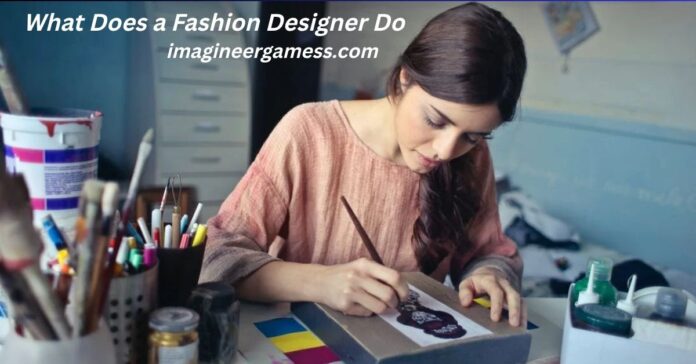

Fashion is everywhere. The clothes people wear to work, school, parties, weddings, and even while exercising all begin with an idea. Behind those ideas is a creative professional known as a fashion designer. Many people admire beautiful clothing and stylish accessories, but they often wonder, “what does a fashion designer do?”
- What Is a Fashion Designer?
- What Does a Fashion Designer Do?
- What Does a Fashion Designer Do on a Daily Basis?
- Researching Fashion Trends
- Creating Design Sketches
- Choosing Fabrics and Materials
- Working with Teams
- Reviewing Samples
- Attending Meetings
- What Does a Fashion Designer Do Daily in Different Work Environments?
- The Fashion Design Process Explained
- Step 1: Inspiration and Research
- Step 2: Concept Development
- Step 3: Sketching Designs
- Step 4: Fabric Selection
- Step 5: Pattern Creation
- Step 6: Sample Production
- Step 7: Final Production
- Step 8: Market Launch
- Skills Required to Become a Successful Fashion Designer
- Creativity
- Drawing Skills
- Technical Knowledge
- Communication Skills
- Problem-Solving Ability
- Business Awareness
- Technology and Modern Fashion Design
- What Does a Fashion Graphic Designer Do?
- What Does a Design Director Do in Fashion?
- Types of Fashion Designers
- Apparel Designers
- Footwear Designers
- Accessory Designers
- Sportswear Designers
- Sustainable Fashion Designers
- Costume Designers
- Education Requirements for Fashion Designers
- How to Become a Fashion Designer
- Develop Creative Skills
- Learn Technical Skills
- Build a Portfolio
- Gain Experience
- Stay Updated
- Build Industry Connections
- Fashion Designer Salary in the United States
- Challenges Fashion Designers Face
- Intense Competition
- Rapid Trend Changes
- Production Constraints
- Sustainability Expectations
- Tight Deadlines
- The Future of Fashion Design
- Why Fashion Designers Matter
- Common Misconceptions About Fashion Designers
- Myth: Fashion Designers Only Draw Pictures
- Myth: Fashion Design Is Purely Creative
- Myth: Designers Work Alone
- Myth: Fashion Design Is Glamorous All the Time
- Conclusion
- Frequently Asked Questions About What Does a Fashion Designer Do
- Do fashion designers sew their own clothes?
- Can fashion designers work from home?
- How long does it take to become a fashion designer?
- Is fashion design a good career in 2026 and beyond?
- What software do fashion designers use?
- Do fashion designers travel often?
- Can fashion designers start their own brands?
- What personality traits make a successful fashion designer?
- Do fashion designers need business skills?
- Can artificial intelligence replace fashion designers?
A fashion designer is responsible for creating original clothing, footwear, and accessories. They combine creativity, artistic skills, technical knowledge, and business understanding to develop products that consumers want to wear. Fashion designers do much more than draw sketches. They research trends, choose fabrics, create prototypes, work with manufacturers, and ensure that finished products meet quality standards.
In today’s fashion industry, designers must also understand sustainability, digital technology, consumer behavior, and global fashion trends. The role has evolved significantly, making fashion design one of the most exciting and dynamic careers available.
This comprehensive guide explains exactly what does a fashion designer do, their daily responsibilities, required skills, career opportunities, salary expectations, and how to become successful in the industry.
What Is a Fashion Designer?
A fashion designer is a professional who creates clothing, shoes, accessories, and fashion collections. They develop ideas based on market trends, customer preferences, cultural influences, and personal creativity.
Fashion designers work in various sectors of the industry, including:
- Women’s fashion
- Men’s fashion
- Children’s fashion
- Luxury fashion
- Sportswear
- Footwear design
- Accessory design
- Sustainable fashion
- Costume design
- Fashion technology
Their goal is to create products that are both attractive and functional while meeting consumer demands and business objectives.
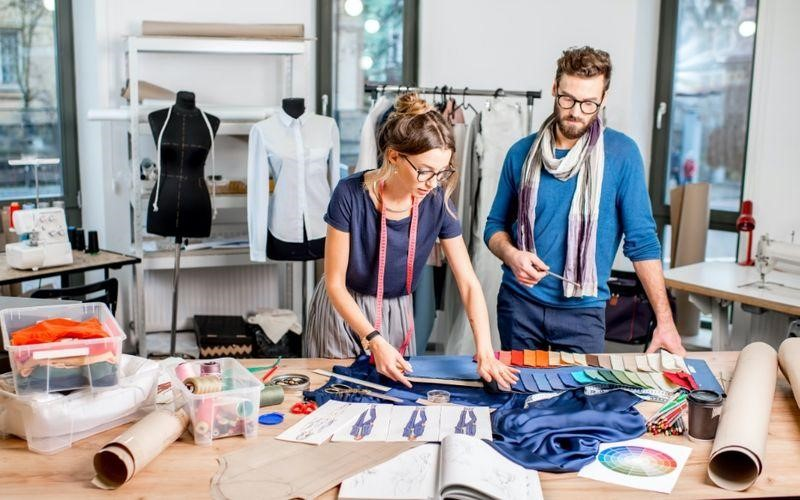
When people ask what does a fashion designer do, the simple answer is that they transform creative ideas into wearable products that consumers can purchase and enjoy.
What Does a Fashion Designer Do?
The primary responsibility of a fashion designer is to create new fashion products from concept to completion.
This process typically includes:
- Researching fashion trends
- Studying consumer preferences
- Developing design concepts
- Creating sketches and illustrations
- Selecting fabrics and materials
- Producing prototypes
- Fitting and adjusting garments
- Collaborating with manufacturers
- Presenting collections
- Monitoring product performance
Fashion designers balance creativity with practicality. A design may look beautiful on paper, but it must also be comfortable, manufacturable, affordable, and appealing to customers.
The best designers understand how to combine artistic vision with market demand.
ALSO rEAD: Xlecz: The Complete Guide to the AI-Powered Platform Transforming Modern Work
What Does a Fashion Designer Do on a Daily Basis?
One of the most common questions is: what does a fashion designer do on a daily basis?
The answer varies depending on experience level, employer, and specialization. However, most fashion designers perform several key tasks every day.
Researching Fashion Trends
Fashion trends constantly change. Designers spend time studying:
- Runway shows
- Fashion magazines
- Social media trends
- Consumer behavior
- Celebrity styles
- Global fashion movements
Research helps designers understand what customers may want in future seasons.
Creating Design Sketches
Sketching is a major part of fashion design. Designers draw concepts by hand or using digital software.
These sketches help communicate ideas before production begins.
Choosing Fabrics and Materials
Different fabrics create different looks and functions.
Designers evaluate:
- Texture
- Durability
- Cost
- Sustainability
- Color options
- Comfort
Material selection greatly influences the final product.
Working with Teams
Fashion design is highly collaborative.
Designers often work with:
- Pattern makers
- Sample makers
- Textile specialists
- Merchandisers
- Marketing teams
- Manufacturers
Teamwork ensures designs move smoothly from concept to production.
Reviewing Samples
Before products enter mass production, sample garments are created.
Designers examine:
- Fit
- Comfort
- Appearance
- Quality
- Construction
Necessary changes are made before final approval.
Attending Meetings
Professional designers regularly attend meetings regarding:
- New collections
- Product development
- Sales performance
- Trend forecasts
- Production schedules
Communication is a vital part of the job.
What Does a Fashion Designer Do Daily in Different Work Environments?
The daily routine can vary significantly depending on the workplace.
Fashion Designers in Large Brands
Designers working for major brands often focus on specific product categories.
They may spend their day:
- Designing seasonal collections
- Collaborating with multiple departments
- Reviewing trend reports
- Participating in design reviews
Independent Fashion Designers
Independent designers often handle many responsibilities themselves.
Their daily activities may include:
- Designing products
- Managing budgets
- Marketing collections
- Meeting clients
- Overseeing production
Freelance Fashion Designers
Freelancers work on project-based assignments.
They may:
- Create custom designs
- Consult for brands
- Design collections for startups
- Develop digital fashion concepts
The variety makes freelance work both exciting and challenging.
The Fashion Design Process Explained
To fully understand what does a fashion designer do, it helps to examine the complete design process.
Step 1: Inspiration and Research
Designers gather inspiration from various sources:
- Art
- Nature
- Architecture
- Travel
- Culture
- Technology
- Historical fashion
Research lays the foundation for creative development.
Also Read: How to Get Started as a Fashion Designer: The Complete Beginner’s Guide in 2026
Step 2: Concept Development
Ideas are organized into a clear theme or collection concept.
Examples include:
- Minimalist fashion
- Sustainable collections
- Streetwear designs
- Luxury evening wear
The concept guides every design decision.
Step 3: Sketching Designs
Initial ideas become visual sketches.
These drawings include:
- Garment silhouettes
- Design details
- Color ideas
- Fabric suggestions
Sketches allow concepts to evolve before production begins.
Step 4: Fabric Selection
Fabric choice impacts:
- Appearance
- Performance
- Comfort
- Price
Designers carefully evaluate materials to ensure they support the intended design.
Step 5: Pattern Creation
Patterns serve as blueprints for garment construction.
Professional pattern makers often assist during this stage.
Step 6: Sample Production
Prototype garments are created to test designs.
Samples reveal:
- Fit issues
- Construction challenges
- Material performance
Adjustments are made as needed.
Step 7: Final Production
After approval, garments move into manufacturing.
Designers may oversee production to maintain quality standards.
Step 8: Market Launch
Products are introduced to retailers and consumers.
Marketing campaigns, fashion shows, and social media promotions help generate interest.
Skills Required to Become a Successful Fashion Designer
Fashion design requires more than artistic talent.
Creativity
Creative thinking helps designers develop unique products that stand out in a competitive market.
Drawing Skills
Sketching remains valuable even in the digital age.
Strong illustration skills help communicate ideas clearly.
Technical Knowledge
Designers must understand:
- Garment construction
- Fabric properties
- Pattern making
- Sewing techniques
Technical expertise turns concepts into reality.
Communication Skills
Designers collaborate with numerous professionals throughout the design process.
Strong communication improves teamwork and project outcomes.
Problem-Solving Ability
Challenges frequently arise during production.
Successful designers find practical solutions without compromising design quality.
Business Awareness
Fashion is a business.
Understanding profitability, pricing, branding, and customer behavior helps designers create commercially successful products.
Technology and Modern Fashion Design
Technology has transformed the fashion industry.
Today’s designers use advanced tools to improve efficiency and creativity.
Popular technologies include:
- Computer-Aided Design (CAD)
- 3D garment modeling
- Artificial intelligence
- Virtual fashion shows
- Digital pattern making
- Fashion analytics software
These innovations allow designers to work faster and reduce development costs.
Technology is becoming increasingly important in answering the question, what does a fashion designer do in today’s world.
What Does a Fashion Graphic Designer Do?
Many people confuse fashion designers with fashion graphic designers.
A fashion graphic designer focuses on visual elements used in fashion products and marketing materials.
Responsibilities often include:
- Creating prints and patterns
- Designing logos
- Developing packaging
- Producing promotional graphics
- Creating digital marketing content
Fashion graphic designers play an important role in brand identity and customer engagement.
Their work supports fashion collections while enhancing overall brand recognition.
What Does a Design Director Do in Fashion?
As designers gain experience, some move into leadership positions.
One common role is design director.
So, what does a design director do in fashion?
A design director oversees the creative direction of an entire brand or product category.
Responsibilities include:
- Managing design teams
- Approving collections
- Establishing design strategies
- Maintaining brand consistency
- Coordinating with executives
- Monitoring market trends
Design directors guide the overall vision while ensuring commercial success.
This role combines creativity, leadership, and business expertise.
Types of Fashion Designers
Fashion design offers many specialization opportunities.
Apparel Designers
These professionals create clothing collections for various markets.
Footwear Designers
Footwear designers focus on shoes and related products.
Accessory Designers
Accessory designers develop:
- Handbags
- Jewelry
- Belts
- Hats
- Scarves
Sportswear Designers
Sportswear designers create athletic apparel designed for performance and comfort.
Sustainable Fashion Designers
These designers prioritize environmental responsibility.
They use:
- Eco-friendly fabrics
- Ethical manufacturing
- Circular design principles
Costume Designers
Costume designers create clothing for:
- Films
- Television
- Theater productions
- Performances
Each specialization offers unique challenges and career opportunities.
Education Requirements for Fashion Designers
While formal education is not always mandatory, it provides significant advantages.
Common educational paths include:
- Fashion Design Degree
- Fashion Merchandising Degree
- Textile Design Programs
- Art and Design Schools
Students typically learn:
- Fashion illustration
- Pattern making
- Textile science
- Garment construction
- Fashion marketing
- Computer design software
Internships often provide valuable real-world experience.
How to Become a Fashion Designer
Develop Creative Skills
Practice sketching and creating original designs.
Learn Technical Skills
Study sewing, garment construction, and pattern development.
Build a Portfolio
A strong portfolio showcases your talent to employers and clients.
Gain Experience
Internships and entry-level positions provide industry exposure.
Stay Updated
Fashion evolves rapidly.
Successful designers continuously study trends and market changes.
Build Industry Connections
Networking creates valuable career opportunities.
Fashion events, trade shows, and professional organizations can help expand your network.
Also Read: Whroahdk: The Complete Guide to the Modern Digital Transformation Framework
Fashion Designer Salary in the United States
Fashion designer salaries vary based on:
- Experience
- Location
- Employer
- Specialization
- Reputation
Entry-level designers typically earn modest salaries while building experience.
Experienced designers working for major brands can earn significantly higher incomes.
Independent designers with successful brands may generate substantial earnings through product sales, licensing agreements, and collaborations.
Top industry leaders can earn millions annually through global fashion businesses.
Challenges Fashion Designers Face
Fashion design is rewarding but challenging.
Common challenges include:
Intense Competition
Thousands of designers compete for limited opportunities.
Rapid Trend Changes
Consumer preferences evolve quickly.
Designers must remain adaptable.
Production Constraints
Budget limitations can affect design decisions.
Sustainability Expectations
Consumers increasingly demand ethical and environmentally responsible products.
Tight Deadlines
Fashion operates on seasonal schedules.
Meeting deadlines is essential.
Successful designers learn to balance creativity, business goals, and production realities.
The Future of Fashion Design
The future of fashion design looks exciting.
Several trends are reshaping the industry.
Sustainable Fashion
Environmental responsibility is becoming a major priority.
Artificial Intelligence
AI assists with:
- Trend forecasting
- Design generation
- Inventory planning
- Consumer analysis
Digital Fashion
Virtual clothing for gaming and digital platforms continues to grow.
Personalized Fashion
Technology enables customized products tailored to individual consumers.
Smart Textiles
Innovative fabrics can monitor health, regulate temperature, and provide enhanced functionality.
Designers who embrace innovation will be well-positioned for future success.
Why Fashion Designers Matter
Fashion designers influence more than clothing choices.
They contribute to:
- Cultural expression
- Personal identity
- Economic growth
- Sustainability initiatives
- Technological innovation
Fashion reflects social changes, values, and aspirations.
Designers help shape these conversations through their creative work.
Every garment tells a story, and fashion designers are the storytellers behind those products.
Common Misconceptions About Fashion Designers
Many people misunderstand the profession.
Myth: Fashion Designers Only Draw Pictures
Reality: Designers manage the entire product development process.
Myth: Fashion Design Is Purely Creative
Reality: Business knowledge is equally important.
Myth: Designers Work Alone
Reality: Fashion design involves extensive teamwork.
Myth: Fashion Design Is Glamorous All the Time
Reality: The profession includes deadlines, revisions, and operational challenges.
Understanding these realities helps aspiring designers prepare for successful careers.
Conclusion
If you’ve ever wondered what does a fashion designer do, the answer goes far beyond sketching beautiful clothing. Fashion designers are creative professionals who transform ideas into products that people wear every day. They research trends, develop concepts, choose materials, create prototypes, collaborate with teams, oversee production, and help shape the future of fashion.
Whether working for global brands, launching independent labels, or specializing in digital fashion, designers combine art, technology, and business skills to bring innovative products to market.
As sustainability, artificial intelligence, and digital innovation continue to transform the industry, the role of the fashion designer will become even more influential. For individuals who love creativity, problem-solving, and design, fashion design remains one of the most exciting and rewarding career paths available.
Frequently Asked Questions About What Does a Fashion Designer Do
Do fashion designers sew their own clothes?
Some fashion designers know how to sew and create samples, but many work with professional sample makers and production teams who construct garments.
Can fashion designers work from home?
Yes. Many freelance and independent fashion designers work remotely, especially when sketching, researching trends, and developing concepts digitally.
How long does it take to become a fashion designer?
The timeline varies. Some designers complete a four-year degree, while others learn through self-study, internships, and practical experience.
Is fashion design a good career in 2026 and beyond?
Yes. Opportunities continue to grow in sustainable fashion, digital fashion, sportswear, luxury products, and technology-driven design sectors.
What software do fashion designers use?
Common software includes Adobe Illustrator, Adobe Photoshop, CLO 3D, Browzwear, CAD programs, and various digital pattern-making tools.
Do fashion designers travel often?
Some designers travel frequently for fashion shows, sourcing materials, meeting manufacturers, and researching trends, while others travel less depending on their role.
Can fashion designers start their own brands?
Yes. Many designers eventually launch independent labels and build their own fashion businesses.
What personality traits make a successful fashion designer?
Curiosity, creativity, persistence, adaptability, attention to detail, and strong communication skills are valuable traits for long-term success.
Do fashion designers need business skills?
Absolutely. Understanding branding, marketing, pricing, budgeting, and consumer behavior is essential for commercial success.
Can artificial intelligence replace fashion designers?
AI can assist with research and trend forecasting, but human creativity, emotional understanding, cultural awareness, and artistic vision remain essential aspects of fashion design that technology cannot fully replace.