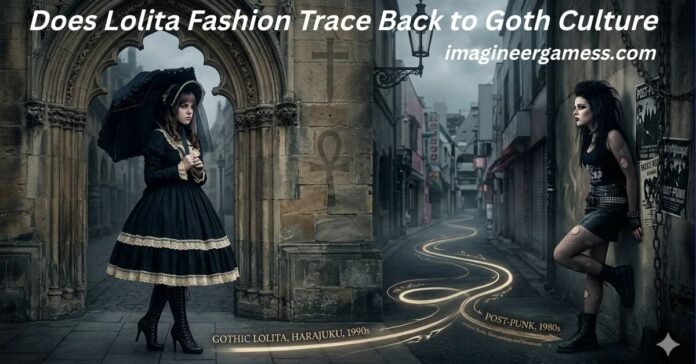


When people first see Lolita fashion, many assume it comes from goth culture. The dark dresses, lace, platform shoes, and dramatic makeup can look similar to gothic styles at first glance. Because of this, one common question online is: does lolita fashion trace back to goth culture?
- What Is Lolita Fashion?
- The Origins of Lolita Fashion in Japan
- What Is Goth Culture?
- Does Lolita Fashion Trace Back to Goth Culture?
- The Rise of Gothic Lolita
- Key Differences Between Lolita Fashion and Goth Culture
- Why People Think Lolita Fashion Comes From Goth Culture
- Gothic Lolita Became Internationally Famous
- Anime and Media Representation
- Similar Visual Elements
- Internet Misinformation
- The Influence of Victorian and Rococo Fashion
- The Role of Kawaii Culture in Lolita Fashion
- How Japanese Street Fashion Influenced Lolita
- The Global Spread of Lolita Fashion
- Modern Lolita Fashion Today
- Common Myths About Lolita Fashion
- Lolita Fashion Is a Goth Style
- Lolita Fashion Is Based on Gothic Music
- All Lolita Clothing Is Black
- Goth and Lolita Communities Are the Same
- Lolita Fashion Started in Europe
- The Psychological Appeal of Lolita Fashion
- Is Gothic Lolita Part of Goth Culture?
- The Influence of Visual Kei on Gothic Lolita
- Fashion Experts and Community Perspectives
- Why Accurate Fashion History Matters
- The Future of Lolita Fashion
- FAQs About Does Lolita Fashion Trace Back to Goth Culture
- Is Gothic Lolita the same as goth fashion?
- Why do people confuse Lolita fashion with goth fashion?
- Did goth culture influence Gothic Lolita?
- What country did Lolita fashion come from?
- Is Lolita fashion connected to anime culture?
- Can someone be goth and wear Lolita fashion?
- What is the most popular Lolita style?
- Is Lolita fashion still popular today?
- Does Lolita fashion always include black clothing?
- What makes Lolita fashion unique?
- Is Lolita fashion expensive?
- Are Lolita fashion and cosplay the same?
- Why is Harajuku important in Lolita fashion history?
- What inspired Sweet Lolita fashion?
- Can men wear Lolita fashion?
- Conclusion
The short answer is no. Lolita fashion does not trace back to goth culture. While some styles inside the Lolita fashion world share visual elements with gothic fashion, Lolita developed from very different cultural roots, historical inspirations, and fashion goals.
Understanding the truth behind this topic is important because many articles online oversimplify the relationship between Lolita and goth fashion. In reality, Lolita fashion began in Japan and was inspired by European historical clothing, Japanese street fashion, modesty, elegance, and self-expression. Goth culture, on the other hand, came from post-punk music scenes in the United Kingdom during the late 1970s and early 1980s.
Although there is a substyle called Gothic Lolita, that does not mean all Lolita fashion started from goth culture. The connection is much more complex than many people think.
This article will fully explain the history, development, and differences between these two styles. It will also explore why people confuse them, how Gothic Lolita became popular, and what modern Lolita fashion represents today.
What Is Lolita Fashion?
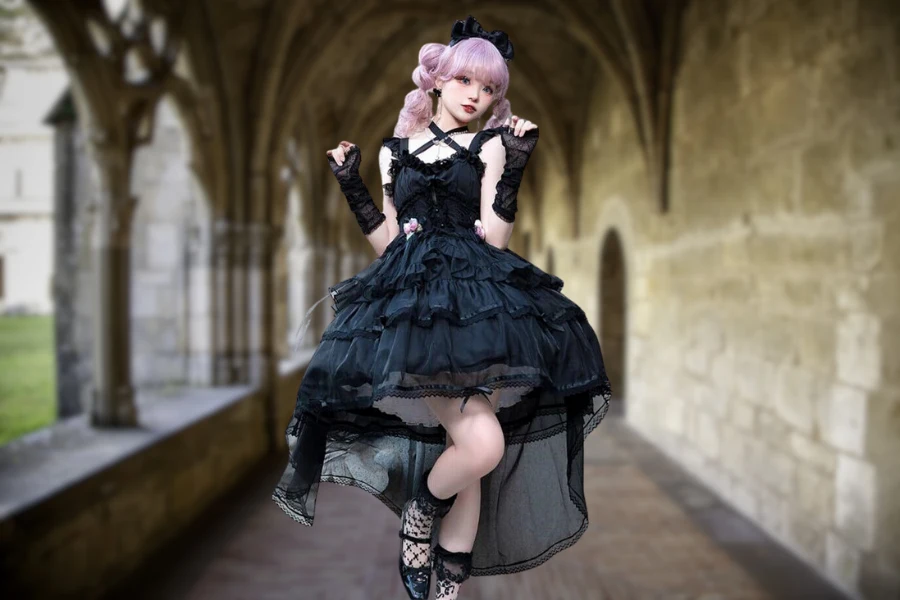
Lolita fashion is a Japanese street fashion style that focuses on modesty, elegance, femininity, and detailed clothing inspired by historical European fashion.
The style became popular in Japan during the 1980s and 1990s, especially in areas like Harajuku in Tokyo. Lolita fashion includes full skirts, petticoats, lace, bows, blouses, knee socks, and carefully coordinated accessories.
The goal of Lolita fashion is not to look gothic, rebellious, or dark. Instead, it is often about creating a refined and artistic appearance.
Many Lolita outfits are inspired by:
- Victorian fashion
- Rococo fashion
- Edwardian children’s clothing
- European doll-like aesthetics
- Classic femininity
- Modest silhouettes
- Handmade fashion culture
Lolita fashion focuses heavily on shape and silhouette. Most outfits use bell-shaped or A-line skirts supported by petticoats. Coordination is extremely important. Every detail, from shoes to headwear, is carefully selected.
Unlike fast fashion trends, Lolita fashion values craftsmanship, quality fabrics, and long-lasting designs.
The Origins of Lolita Fashion in Japan
To answer the question does lolita fashion trace back to goth culture, we first need to understand where Lolita fashion truly began.
Lolita fashion developed in Japan during the late 1970s and early 1980s. Young people in Japan wanted to escape strict social expectations and create new forms of self-expression.
Japanese youth culture at the time was heavily influenced by:
- Street fashion movements
- Independent fashion brands
- Music scenes
- Handmade clothing culture
- Historical European aesthetics
- Cute culture known as kawaii
Fashion brands such as Milk, Pink House, Baby, The Stars Shine Bright, and Angelic Pretty helped shape early Lolita fashion.
These brands focused on:
- Feminine silhouettes
- Modest designs
- Lace and ruffles
- Doll-like beauty
- Romantic styling
Importantly, the original goal was not connected to goth music or goth identity.
Many early Lolita fashion wearers wanted clothing that rejected modern fashion trends. Instead of wearing revealing or body-focused styles, they preferred elegant outfits that created a fantasy-like appearance.
Also Read: When Is New York Fashion Week? Full 2025 Guide to Dates, Schedule, Shows, and What to Expect
This made Lolita fashion feel unique and artistic.
What Is Goth Culture?
Goth culture began in the United Kingdom during the late 1970s as part of the post-punk music movement.
The goth subculture was strongly connected to music bands such as:
- Bauhaus
- Siouxsie and the Banshees
- The Cure
- Sisters of Mercy
Goth culture focused on themes such as:
- Dark romanticism
- Melancholy
- Emotional expression
- Alternative lifestyles
- Rebellion against mainstream culture
Traditional goth fashion often includes:
- Black clothing
- Dark makeup
- Leather
- Fishnets
- Corsets
- Silver jewelry
- Combat boots
Music played a central role in goth culture. Fashion was only one part of a larger identity.
This is one major difference between Lolita and goth culture.
Lolita fashion is mainly fashion-centered. Goth culture is music-centered.
Does Lolita Fashion Trace Back to Goth Culture?
No, Lolita fashion does not trace back to goth culture.
This is one of the biggest misunderstandings about Japanese street fashion.
Lolita fashion and goth culture developed separately in different countries and under different social influences.
Lolita fashion originated in Japan through:
- Historical European fashion inspiration
- Japanese kawaii culture
- Street fashion communities
- Modesty-focused styling
- Fashion brands and magazines
Goth culture originated in the United Kingdom through:
- Post-punk music scenes
- Alternative nightlife culture
- Dark artistic themes
- Underground music communities
The confusion mainly comes from one specific substyle known as Gothic Lolita.
Because Gothic Lolita combines dark colors with Lolita silhouettes, many people incorrectly assume all Lolita fashion came from goth culture.
However, Gothic Lolita is only one branch inside the larger Lolita fashion world.
Other major Lolita styles include:
- Sweet Lolita
- Classic Lolita
- Country Lolita
- Sailor Lolita
- Wa Lolita
- Qi Lolita
- Pirate Lolita
- Hime Lolita
Most of these styles have little or no connection to goth fashion.
The Rise of Gothic Lolita
Even though Lolita fashion does not come from goth culture, Gothic Lolita became extremely popular in Japan during the late 1990s and early 2000s.
This substyle mixed:
- Dark color palettes
- Gothic themes
- Elegant Lolita silhouettes
- Victorian-inspired fashion
One of the biggest influences on Gothic Lolita was Japanese musician Mana.
entity[“musical_artist”,”Mana”,”Japanese musician and fashion designer”], a member of the band Malice Mizer, helped popularize Gothic Lolita through fashion brand Moi-même-Moitié.
Mana’s designs included:
- Black lace
- Cross motifs
- Dark dresses
- Elegant gothic styling
- Dramatic makeup
Because of Mana’s influence, many people outside Japan first discovered Lolita fashion through Gothic Lolita images.
This created the mistaken belief that Lolita fashion was part of goth culture.
In reality, Gothic Lolita was a fusion style.
It combined elements from both:
- Japanese Lolita fashion
- Gothic aesthetics
But the existence of Gothic Lolita does not mean Lolita fashion itself came from goth culture.
Key Differences Between Lolita Fashion and Goth Culture
Understanding the differences helps answer the question does lolita fashion trace back to goth culture more clearly.
Purpose and Identity
Lolita fashion is mainly about fashion, beauty, elegance, and artistic self-expression.
Goth culture is a broader lifestyle and music-based subculture.
A person can wear Lolita fashion without listening to goth music.
A goth person may never wear Lolita fashion.
Main Inspirations
Lolita fashion takes inspiration from:
- Victorian fashion
- Rococo fashion
- Dolls and storybooks
- Historical clothing
- Kawaii culture
Goth culture takes inspiration from:
- Dark music
- Romantic literature
- Horror aesthetics
- Alternative art scenes
Color Use
Lolita fashion uses many colors including:
- Pink
- White
- Blue
- Red
- Cream
- Lavender
- Mint green
Goth fashion mainly focuses on darker tones such as:
- Black
- Dark purple
- Deep red
- Gray
Silhouette
Lolita fashion has strict silhouettes using petticoats and modest shapes.
Traditional goth fashion has more flexibility and does not require a specific skirt shape.
Cultural Origins
Lolita fashion started in Japan.
Goth culture started in the United Kingdom.
Community Structure
Lolita communities often focus on:
- Fashion coordination
- Tea parties
- Shopping
- Photography
- Handmade fashion
Goth communities often focus on:
- Music events
- Clubs
- Concerts
- Alternative nightlife
These differences clearly show that the two cultures are related only in limited ways.
Why People Think Lolita Fashion Comes From Goth Culture
There are several reasons why people believe Lolita fashion traces back to goth culture.
Gothic Lolita Became Internationally Famous
Outside Japan, Gothic Lolita became one of the most visible Lolita substyles.
Many Western magazines, anime fans, and fashion blogs focused heavily on black dresses and gothic imagery.
As a result, people who were unfamiliar with Japanese fashion assumed all Lolita fashion looked gothic.
Anime and Media Representation
Anime, manga, and visual kei music videos often showed Gothic Lolita styles more than Sweet Lolita or Classic Lolita.
This shaped international perceptions.
Similar Visual Elements
Both styles may include:
- Lace
- Corsets
- Victorian influences
- Dark makeup
- Platform shoes
These similarities create confusion.
However, similar fashion details do not mean both styles share the same origin.
Internet Misinformation
Many online articles simplify the history of Lolita fashion.
Some websites incorrectly state that Lolita evolved from goth fashion.
This misinformation spreads quickly because the visual overlap appears convincing.
The Influence of Victorian and Rococo Fashion
One important fact often ignored online is that both Lolita fashion and some gothic fashion styles were independently inspired by historical European clothing.
Also Read: Where to Watch Victoria Secret Fashion Show 2025: Complete Streaming, TV, and Online Viewing Guide
This explains why they sometimes look similar.
Victorian fashion influenced:
- Gothic fashion
- Steampunk fashion
- Lolita fashion
- Romantic fashion
Rococo fashion influenced:
- Sweet Lolita
- Classic Lolita
- Hime Lolita
Because both goth and Lolita styles borrow from history, they can appear related even when they are not directly connected.
This is a key insight that many articles fail to explain.
The similarity comes from shared historical inspiration, not shared cultural origin.
The Role of Kawaii Culture in Lolita Fashion
One major reason Lolita fashion cannot be fully connected to goth culture is the strong influence of kawaii culture.
Kawaii means cute in Japanese.
Japanese kawaii culture values:
- Innocence
- Softness
- Charm
- Whimsy
- Youthful beauty
Sweet Lolita especially reflects kawaii culture through:
- Pastel colors
- Cute prints
- Bows
- Animal motifs
- Dessert themes
Goth culture generally focuses on darker emotional themes instead.
This difference is extremely important.
Lolita fashion was shaped heavily by Japanese ideas of beauty and cuteness, not by Western gothic rebellion.
How Japanese Street Fashion Influenced Lolita
Lolita fashion developed alongside other Japanese street styles in places like Harajuku.
These included:
- Decora
- Visual kei
- Fairy kei
- Gyaru
- Punk fashion
Japanese street fashion culture encouraged creativity and individuality.
People mixed fashion with performance, art, and identity.
Lolita became part of this broader movement.
Unlike goth culture, which centered heavily around music scenes, Japanese street fashion centered around visual style and public self-expression.
This distinction matters when discussing whether does lolita fashion trace back to goth culture.
The answer remains no because the foundation of Lolita came from Japanese fashion innovation rather than goth music culture.
The Global Spread of Lolita Fashion
During the 2000s, Lolita fashion spread internationally through:
- Anime conventions
- Fashion magazines
- Internet communities
- Social media
- Japanese music culture
Many Western fans discovered Lolita through:
- Gothic Lolita Bibles
- Visual kei musicians
- Anime characters
Because Gothic Lolita was highly visual and dramatic, it gained strong popularity overseas.
However, international Lolita communities later educated new fans about the deeper history of the fashion.
Today, most experienced Lolita fashion enthusiasts clearly understand that Lolita fashion and goth culture are separate.
Modern Lolita Fashion Today
Modern Lolita fashion continues evolving.
Current trends include:
- More casual coordinates
- Inclusive sizing discussions
- Handmade independent brands
- Sustainable fashion interests
- Global online communities
Many modern Lolita wearers focus on:
- Creativity
- Confidence
- Fashion artistry
- Personal expression
- Community events
Some people wear Gothic Lolita.
Others prefer Sweet Lolita or Classic Lolita.
This diversity shows that Lolita fashion cannot be reduced to one gothic identity.
Common Myths About Lolita Fashion
Lolita Fashion Is a Goth Style
This is false.
Gothic Lolita is one substyle, but Lolita fashion as a whole is much broader.
Lolita Fashion Is Based on Gothic Music
False.
Lolita fashion was primarily influenced by Japanese fashion culture and historical European clothing.
All Lolita Clothing Is Black
False.
Many Lolita styles use bright colors, floral prints, and pastel tones.
Goth and Lolita Communities Are the Same
False.
Although some people participate in both communities, they remain separate subcultures.
Lolita Fashion Started in Europe
False.
Lolita fashion started in Japan.
European history inspired the aesthetics, but the fashion movement itself is Japanese.
The Psychological Appeal of Lolita Fashion
Another important insight missing from many articles is the emotional purpose behind Lolita fashion.
For many people, Lolita fashion offers:
- Comfort
- Confidence
- Creativity
- Escapism
- Artistic expression
- Community belonging
Some wearers describe the fashion as empowering because it allows them to reject social pressure about appearance.
Unlike many mainstream fashion trends, Lolita fashion values modesty and detailed craftsmanship over body exposure.
This emotional foundation differs greatly from goth culture, which often focuses more on emotional intensity, dark romanticism, and music identity.
Is Gothic Lolita Part of Goth Culture?
This question is more complicated.
Gothic Lolita does borrow visual elements from gothic aesthetics.
However, many Gothic Lolita wearers still identify primarily with Lolita fashion rather than goth culture.
Some people participate in both communities.
Others do not.
The overlap exists, but they are not identical.
A helpful way to understand it is this:
- Lolita fashion is the main category
- Gothic Lolita is one substyle inside it
- Gothic Lolita borrows some gothic aesthetics
- But Lolita fashion itself did not originate from goth culture
This explanation is more historically accurate than saying Lolita came from goth fashion.
The Influence of Visual Kei on Gothic Lolita
Visual kei music culture in Japan helped spread Gothic Lolita aesthetics.
Visual kei artists often used:
- Dramatic costumes
- Historical styling
- Gothic imagery
- Theatrical makeup
This created a visual connection between Gothic Lolita and dark alternative fashion.
Also Read: What Is in an Old Fashioned? Complete Guide to the Classic Cocktail
However, visual kei itself was different from traditional Western goth culture.
It mixed:
- Glam rock
- Punk
- Gothic visuals
- Japanese performance art
Therefore, even the darker side of Lolita fashion grew through uniquely Japanese cultural development.
Fashion Experts and Community Perspectives
Most fashion historians and long-term Lolita community members agree that Lolita fashion does not trace back to goth culture.
Instead, experts describe Lolita fashion as:
- A Japanese street fashion movement
- A historical fashion reinterpretation
- A kawaii-influenced subculture
- A fashion-focused community
They acknowledge that Gothic Lolita introduced gothic aesthetics into one branch of the fashion.
But they do not consider goth culture the origin of Lolita itself.
This distinction matters because accurate fashion history helps people understand cultural identity correctly.
Why Accurate Fashion History Matters
Understanding the true history of Lolita fashion is important for several reasons.
First, it respects Japanese fashion culture.
Second, it prevents misinformation.
Third, it helps new fans appreciate the diversity inside Lolita fashion.
When people incorrectly say Lolita comes from goth culture, they ignore:
- Japanese creativity
- Harajuku fashion history
- Kawaii culture
- Independent Japanese fashion brands
Accurate history gives credit to the communities that built the style.
The Future of Lolita Fashion
Lolita fashion continues growing around the world.
Social media platforms have helped connect communities across:
- The United States
- Europe
- Latin America
- Southeast Asia
- Australia
Modern Lolita communities are becoming more:
- Inclusive
- Diverse
- Creative
- International
Many newer brands are experimenting with:
- Everyday wearable Lolita
- Plus-size designs
- Gender-inclusive fashion
- Sustainable fabrics
Despite these changes, the core identity of Lolita fashion remains focused on elegance, beauty, and artistic coordination.
Its future is connected more to fashion creativity than to goth culture.
FAQs About Does Lolita Fashion Trace Back to Goth Culture
Is Gothic Lolita the same as goth fashion?
No. Gothic Lolita combines Lolita silhouettes with gothic-inspired aesthetics, but it is still part of Lolita fashion rather than traditional goth culture.
Why do people confuse Lolita fashion with goth fashion?
People often confuse them because Gothic Lolita uses dark colors, lace, and Victorian-inspired designs that visually resemble some goth styles.
Did goth culture influence Gothic Lolita?
Yes, gothic aesthetics influenced Gothic Lolita. However, Lolita fashion itself developed independently in Japan.
What country did Lolita fashion come from?
Lolita fashion originated in Japan.
Is Lolita fashion connected to anime culture?
Lolita fashion is separate from anime culture, but anime and manga helped spread awareness of the fashion internationally.
Can someone be goth and wear Lolita fashion?
Yes. Some people participate in both communities and combine elements from each style.
What is the most popular Lolita style?
Sweet Lolita is often considered one of the most popular and recognizable Lolita styles.
Is Lolita fashion still popular today?
Yes. Lolita fashion continues to have active communities worldwide.
Does Lolita fashion always include black clothing?
No. Many Lolita styles use pastel colors, floral patterns, and bright themes.
What makes Lolita fashion unique?
Lolita fashion stands out because of its modest silhouette, historical inspiration, detailed coordination, and focus on elegance and craftsmanship.
Is Lolita fashion expensive?
Some Lolita clothing can be expensive due to high-quality fabrics and detailed designs. However, many people also buy secondhand items or make their own clothing.
Are Lolita fashion and cosplay the same?
No. Lolita fashion is an everyday fashion subculture, while cosplay involves dressing as fictional characters.
Why is Harajuku important in Lolita fashion history?
Harajuku became a major center for Japanese street fashion culture and helped Lolita fashion grow during the 1990s and 2000s.
What inspired Sweet Lolita fashion?
Sweet Lolita was inspired by kawaii culture, fairy tales, dolls, desserts, and Rococo-inspired beauty.
Can men wear Lolita fashion?
Yes. Some men wear Lolita fashion or related styles such as Ouji fashion.
Conclusion
The question does lolita fashion trace back to goth culture continues appearing online because of visual similarities between Gothic Lolita and traditional gothic fashion. However, the historical evidence shows clearly that Lolita fashion developed independently in Japan.
Lolita fashion grew from Japanese street fashion culture, historical European inspiration, and kawaii aesthetics rather than from goth music scenes.
Although Gothic Lolita introduced darker themes into one branch of the fashion, it represents only one part of a much larger and more diverse fashion movement.
Understanding this distinction allows people to appreciate the true history, creativity, and cultural identity of Lolita fashion.
As global interest in alternative fashion continues growing, accurate information becomes even more important. Recognizing the separate origins of Lolita fashion and goth culture helps preserve the history of both communities while encouraging deeper appreciation for their unique artistic contributions.